HND

Tokyo Haneda International Airport

Tokyo Haneda International Airport (HND) is one of Asia's most connected aviation hubs, linking Tokyo directly to domestic and international destinations across the Pacific and beyond. This metal print captures that density precisely — rendered from ADS-B flight tracking data. Every flight path is colorized by altitude across your chosen palette.

This print visualizes all 2,552 flights recorded on May 20–21, 2026 — the 48th anniversary of Haneda's transition to domestic operations when Narita opened. Printed direct-to-metal on an aluminum panel, it is a piece of aviation wall art that holds one of Tokyo's most pivotal aviation milestones in permanent detail.

HND flight path print — Inferno theme · Dark in living-room setting [hotspot:46]HND flight path print — Inferno theme · Dark in office setting [hotspot:55]HND flight path print — Solana theme · Dark in living-room setting [hotspot:46]HND flight path print — Solana theme · Dark in office setting [hotspot:55]HND flight path print — Citrus theme · Dark in living-room setting [hotspot:46]HND flight path print — Citrus theme · Dark in office setting [hotspot:55]HND flight path print — Prism theme · Dark in living-room setting [hotspot:46]HND flight path print — Prism theme · Dark in office setting [hotspot:55]HND flight path print — Aurora theme · Dark in living-room setting [hotspot:46]HND flight path print — Aurora theme · Dark in office setting [hotspot:55]HND flight path print — Inferno theme · Light in living-room setting [hotspot:46]HND flight path print — Inferno theme · Light in office setting [hotspot:55]HND flight path print — Solana theme · Light in living-room setting [hotspot:46]HND flight path print — Solana theme · Light in office setting [hotspot:55]HND flight path print — Citrus theme · Light in living-room setting [hotspot:46]HND flight path print — Citrus theme · Light in office setting [hotspot:55]HND flight path print — Prism theme · Light in living-room setting [hotspot:46]HND flight path print — Prism theme · Light in office setting [hotspot:55]HND flight path print — Aurora theme · Light in living-room setting [hotspot:46]HND flight path print — Aurora theme · Light in office setting [hotspot:55]

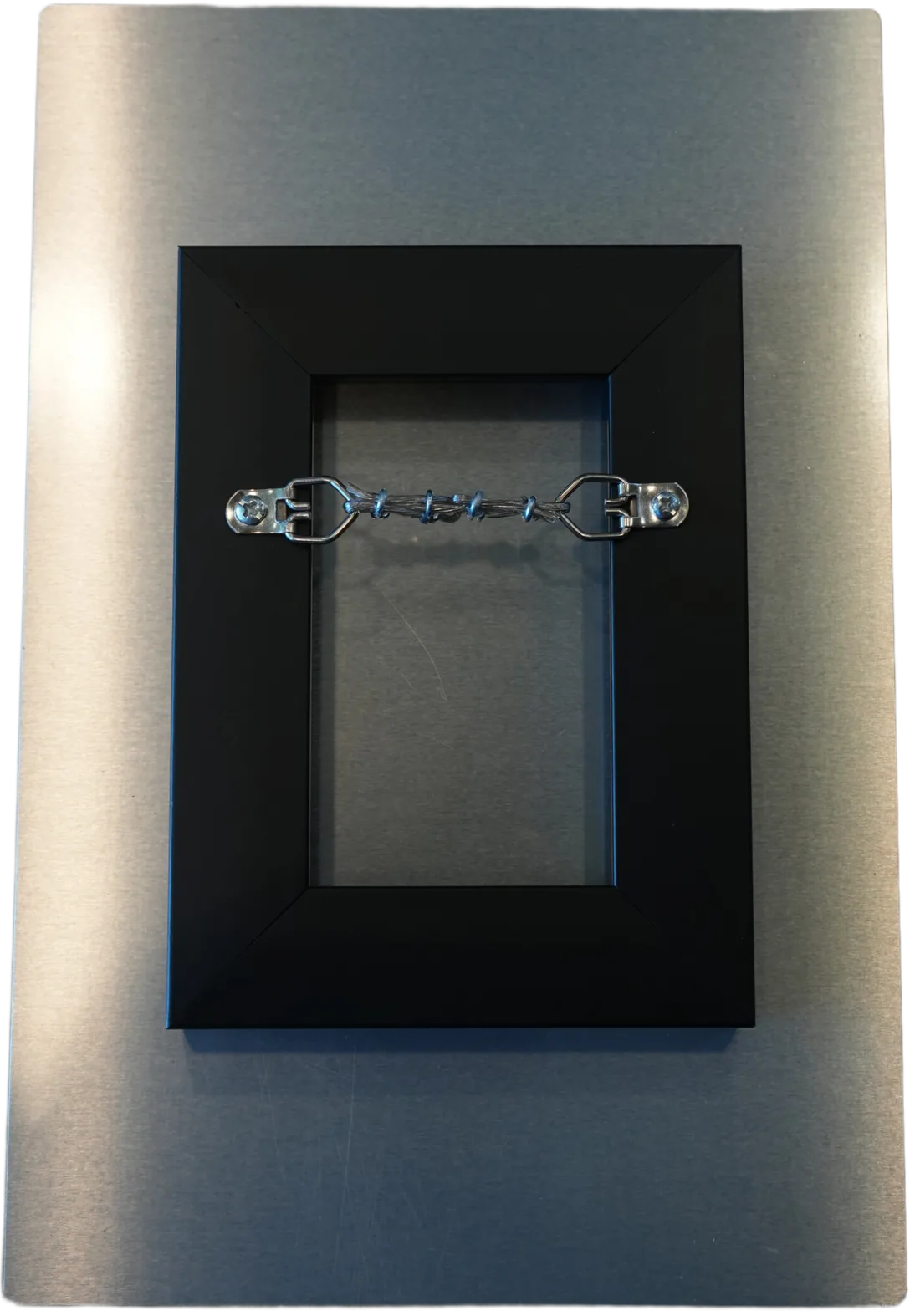
Dye-sublimated on aluminum · Float mount hardware included

$119

  • Made in the USA
  • Ships in 2–3 Days
  • Secure checkout
Behind the Print

Every ADS-B-tracked flight visualized in this print, captured over 2 days.

2,552

Total Flights

508

Unique Aircraft

1,950,964

ADS-B Points

HND logged 2,552 flights across May 20–21, 2026, split almost evenly between 1,267 arrivals and 1,285 departures. Traffic ran continuously from midnight to 23:59 JST, averaging 53.2 flights per hour over the two days. The 8 o'clock hour carried the heaviest load at 177 total movements, with 86 arrivals and 91 departures. Activity stayed dense from 08:00 through 21:00, where most hours recorded between 124 and 177 flights. The overnight trough bottomed out at hour 3, with just 6 total movements, and the early morning hours from 04:00 to 06:00 skewed heavily toward arrivals before departures surged at 07:00. New Chitose (CTS) and Fukuoka (FUK) dominated the route list at 227 and 217 total movements respectively, accounting for roughly 17 percent of all traffic combined. Osaka Itami (ITM) ranked third at 118 movements. The remaining top-ten routes were all domestic Japanese airports, with totals ranging from 48 to 71 movements per pair. Approach and departure tracks both concentrated in the WSW quadrant, with WSW accounting for 496 arrivals and 506 departures. W and N were the next most common directions for both. A total of 508 unique aircraft were observed across the capture window, with Japanese-registered aircraft making up 350 of those. US-registered aircraft numbered 41, followed by China at 37. Altitude data spanned from ground level to a peak of 49,500 feet, with an average of 16,340 feet across all recorded ADS-B positions. The 0–1,000 foot band held the largest concentration of position points at 260,071, reflecting the volume of approach and departure traffic near the field. A secondary cluster appears in the 42,000–43,000 foot range at 39,997 points. Average groundspeed across all flights was 255 knots, with a maximum of 612.5 knots recorded. The longest flight in the dataset covered 1,818.5 nautical miles over 246.9 minutes, while the shortest departure tracked just 8.7 nautical miles over 28.9 minutes.

Every print includes a QR code linking to the full flight report.

Full Flight Report
Aluminum print showing flight path visualization
Premium Material

Why Aluminum

Our prints are produced on museum-quality aluminum with a high-gloss finish, the same material professional galleries use.

Dye-Sublimated

Colors infused directly into the aluminum surface, not printed on top.

Deep Blacks, Saturated Color

High-gloss finish holds sharp contrast across the altitude gradients.

Archival Durability

Scratch-resistant, waterproof, and fade-resistant for decades of display.

Modern Float Mount

Included mounting hardware creates a sleek 3/4" float off the wall.

Gallery-Quality Finish

The same premium process used by museums and professional galleries.

About the Airport

Tokyo Haneda International Airport traces its origins to 1931, when a small airfield opened on reclaimed land along Tokyo Bay in the Ota district. It grew rapidly through the postwar era, becoming Japan's primary international gateway. That changed in 1978, when Narita International Airport opened and Haneda was reoriented almost entirely toward domestic traffic. For decades, HND handled the bulk of Japan's domestic air travel while international routes moved 60 kilometers east to Chiba Prefecture.

The airport sits just 14 kilometers from central Tokyo — a geographic advantage that Narita, with its longer surface journey, has never been able to match. Pressure to restore international service grew steadily, and a phased expansion began in the 2000s. A new international terminal opened in 2010, and slot allocations for international flights have expanded in the years since.

Haneda operates 4 runways laid out to accommodate the constraints of its coastal, reclaimed-land footprint. One runway extends over Tokyo Bay on a pier-like structure, a design solution driven entirely by the absence of usable land. Japan Airlines and All Nippon Airways dominate operations here, and the airport functions as the primary hub for both carriers on domestic routes. International services connect Tokyo to major cities across Asia, North America, and Europe. Passenger volumes at HND routinely place it among the busiest airports in the world by total traffic. Its proximity to the city center makes it the preferred airport for business travelers and, increasingly, for international visitors who once had no choice but to arrive at Narita.